
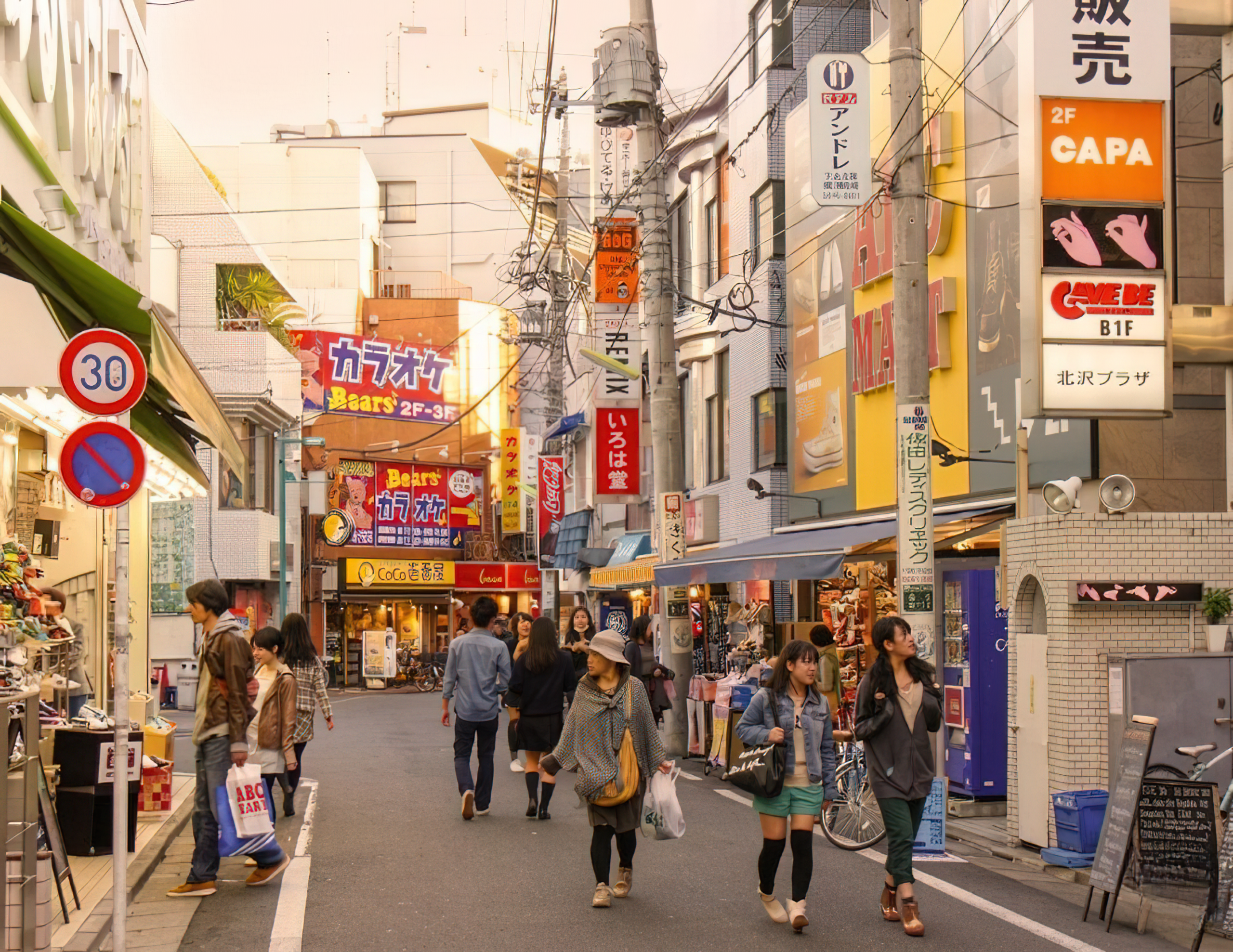
Shimokitazawa is one of Tokyo’s best neighborhoods for live music, packed with tiny live houses and small theaters within a few blocks of one station. On a good night you can hear three bands you have never heard of and walk five minutes to the next room. This guide covers the venues, how a night actually works, what it costs, and when to go.
Why Shimokitazawa is Tokyo’s live music capital
Shimokitazawa packs more small live houses and theaters into a few blocks than almost anywhere in Tokyo. The neighborhood has been a hub of subculture since the 1960s, cheap and central, and that pulled in musicians, actors, and the rooms they perform in. Generations of Japanese indie and rock bands cut their teeth on these stages before they filled bigger halls. The scene is small by design: most rooms hold anywhere from fifty to a few hundred people, so you are never far from the band. Add a dense cluster of fringe theaters, and you get a neighborhood where the night is the main event.
What is a live house, and how does a night work?
A live house is a small live-music club, and a typical night stacks several short sets behind a door charge and a one-drink minimum. The format is the same across most venues, and once you know it, walking into any of them is easy:
- Door charge: a flat cover for the whole night’s lineup, not a price per band.
- Drink ticket: most venues require you to buy one drink, around 600 yen, on top of the cover.
- Taiban bills: a night is usually three to five short sets by different bands, swapping over quickly.
- Tickets: buy advance for a lower price and a reserved slot, or pay at the door if the show is not sold out.
The rooms are intimate and the turnover is brisk, so do not expect a headliner at a fixed hour. You are buying a whole evening, not one act, and the discovery is the point.
The live houses worth knowing
Start with the legendary basements, then branch out by genre and size. These six between them cover most of what the neighborhood does at night.
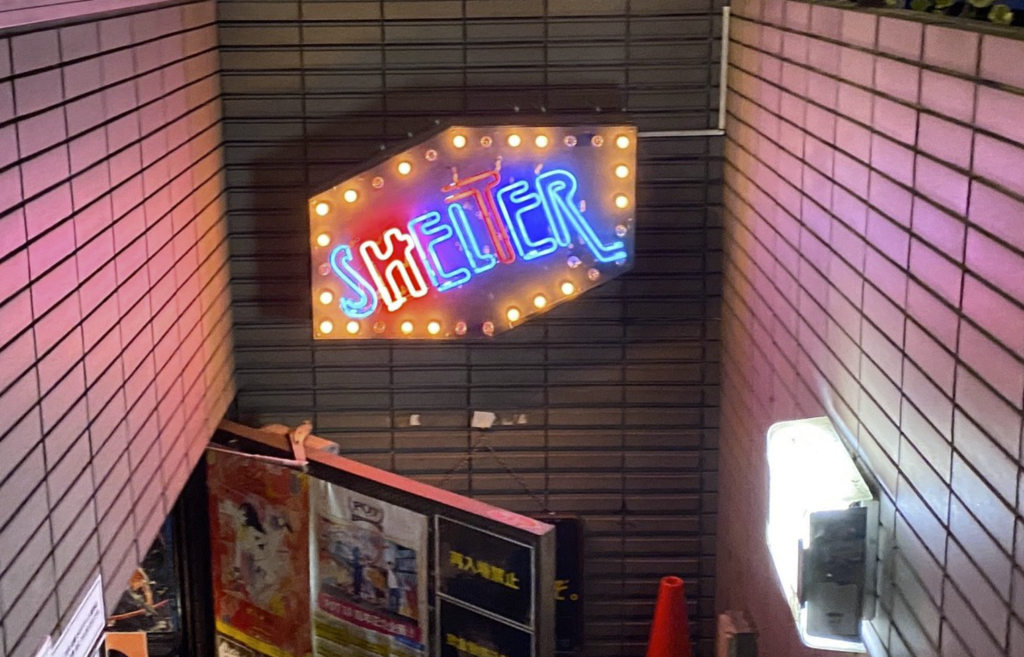
The institutions. Shelter has been the indie benchmark since 1991, a small, low-ceilinged room that has hosted bands long before they got famous. Club Que is the guitar-band staple next door in spirit, and Three runs eclectic, genre-hopping bills for the curious. If you only have one night, these three rarely disappoint.
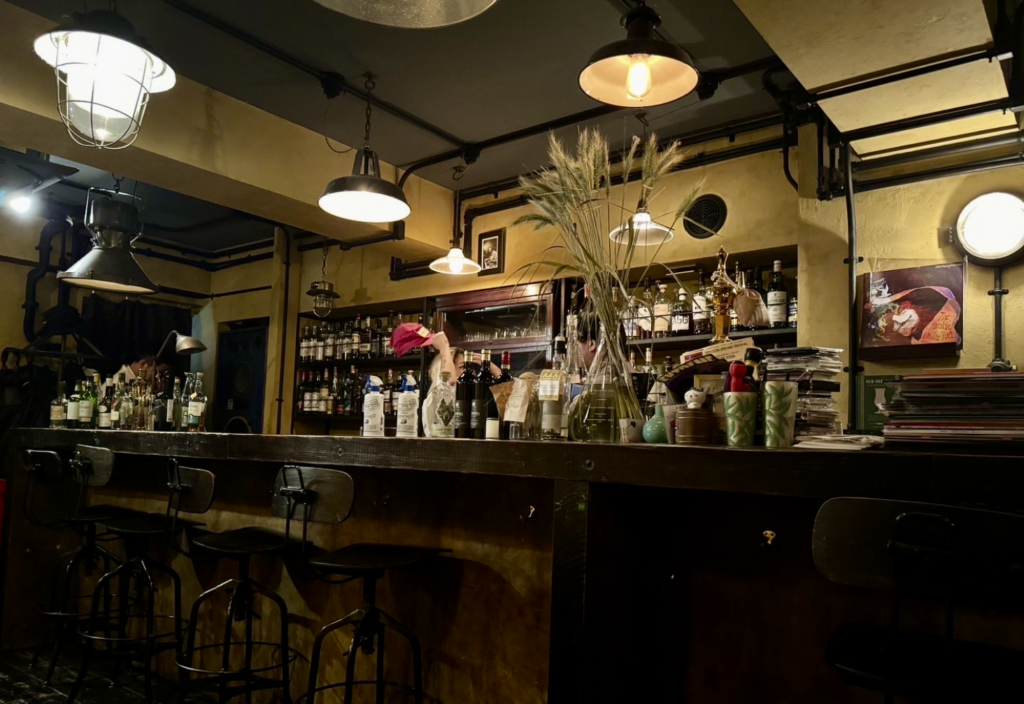
The intimate rooms. Basement Bar and 440, said “four forty,” are tiny by even local standards, the kind of places built for singer-songwriters and close-up sets where you can see the setlist taped to the floor. For something bigger, Garden is the larger stage that draws touring and better-known acts when they pass through.
| Venue | Vibe | Size | Known for |
|---|---|---|---|
| Shelter | Indie and rock | Small | Institution since 1991 |
| Club Que | Guitar bands | Small | Indie and rock staple |
| Three | Eclectic | Small | Genre-hopping bills |
| Basement Bar | Intimate | Tiny | Singer-songwriters, indie |
| 440 (four forty) | Acoustic-friendly | Tiny | Close-up sets |
| Garden | Touring acts | Larger | Bigger-name shows |
Shimokitazawa as a theater town
Shimokitazawa is also Tokyo’s small-theater capital, known in Japanese as the theater town. The scene is anchored by Honda Gekijo, opened in 1982, which seeded a cluster of little stages around it. The Suzunari is the other landmark, a ramshackle, much-loved room that looks held together by tape and has launched plenty of careers. Most plays run in Japanese, but the staging here leans physical and visual, and a fringe production is a different window on the same creative neighborhood that fills the live houses. If your night is not about bands, it can just as easily be about a play.
How much does a night out cost?
Expect about 2,000 to 3,500 yen for a live-house cover plus a 600 yen drink, and 3,000 to 5,000 yen for a small-theater seat. A night here is cheap by big-venue standards, and the money goes to the room and the band, not a corporate hall. Rough bands to expect:
- Live-house cover: about 2,000 to 3,500 yen for the whole bill.
- Drink ticket: around 600 yen, usually required, on top of the cover.
- Small-theater ticket: about 3,000 to 5,000 yen, more for a known show.
- Bars and izakaya: a few hundred to 1,000 yen a drink, mostly cash.
Bars and izakaya between sets
The neighborhood’s bars and izakaya are part of the night, built for eating in pieces between shows. The lanes are full of tiny standing bars and counters where a handful of people is a crowd, and the newer bars around Reload and Bonus Track add a calmer option. The move is to graze rather than sit for one long meal: a few skewers here, a drink there, then back to a basement. For a proper dinner, the area’s curry counters are quick and filling, and its cafes keep you going earlier in the day.
How do you find and book a show?
Check each venue’s online schedule, buy advance tickets when you can, and pay the door for anything not sold out. Booking is straightforward once you know the order:
- Browse the venue schedules online, since each live house posts a monthly calendar of bills.
- Pick a night by room and lineup, knowing advance tickets cost less and hold your place.
- Buy advance through the venue or a ticket site, or simply turn up and pay the door if space remains.
- Arrive near the start time, trade your ticket for a wristband and drink token, and head in.
When are the best nights to go?
Weekend nights have the fullest lineups, but weekday gigs are cheaper and easier to walk into. Friday and Saturday bring the strongest bills and the busiest streets, while a Tuesday show might cost less and never sell out. The neighborhood also runs music and street events through the year, so a quiet visit and a packed one can be a week apart. If you want a sure thing, book a weekend bill in advance; if you want to wander, a weeknight lets you follow the noise.
Getting to the venues
Most live houses and theaters sit within a few minutes of Shimokitazawa Station, on both sides of the tracks. Everything is walkable once you arrive, so the only real planning is the trip home: shows can run late, and the last trains leave around midnight. For routes, fares, and which exit to use, see our guide on how to get to Shimokitazawa.
This guide is one part of our complete guide to Shimokitazawa. Make a whole evening of it with our one-day itinerary, which ends right here after dark.