
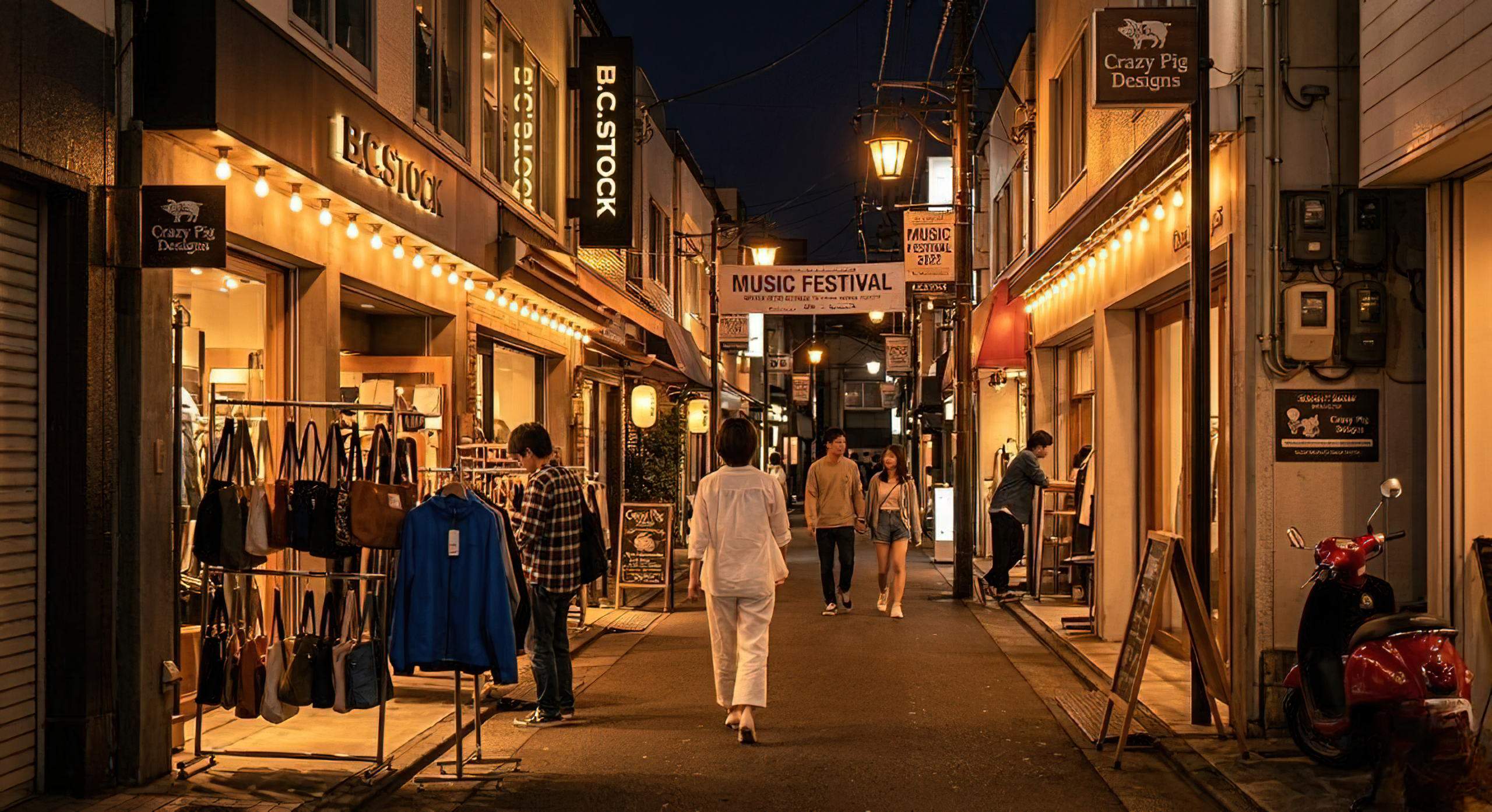
Shimokitazawa is one of the best places to eat curry in Tokyo. The neighborhood is packed with small, owner-run curry counters, it helped put Japanese soup curry on the map, and every October it throws one of the country’s biggest curry festivals. This guide covers the styles, the shops worth your time, how to order, what it costs, and how to plan a crawl.
Why is Shimokitazawa famous for curry?
Shimokitazawa has one of the densest clusters of independent curry shops in Tokyo, and it helped popularize soup curry nationwide. Curry here is not one dish but three coexisting styles. Most of the famous places are tiny counters with a handful of seats, the kind that build a following on a single recipe rather than a wide menu. That is why the neighborhood draws curry pilgrims from across the city, and why it can support an October festival with more than a hundred shops taking part.
The three kinds of curry you’ll find here
Shimokitazawa serves three distinct curry styles, and knowing them tells you what to order.
- Soup curry: a thin, aromatic broth eaten with rice on the side, loaded with big, separately cooked vegetables and a protein. Lighter and spicier than most people expect from Japanese curry. This is the local signature.
- Spice curry: a drier, Tokyo-grown style plated straight over rice, often served aigake, meaning two different curries side by side so you can mix them as you eat. Built on whole and ground spices rather than thick roux.
- Japanese curry rice: the sweet, roux-based comfort version most visitors already know. Common at diners and chains, but less the reason to come here.
Where should you eat curry in Shimokitazawa?
Start with the soup curry landmarks, then try a spice curry counter to feel the difference. Three shops between them cover the range.
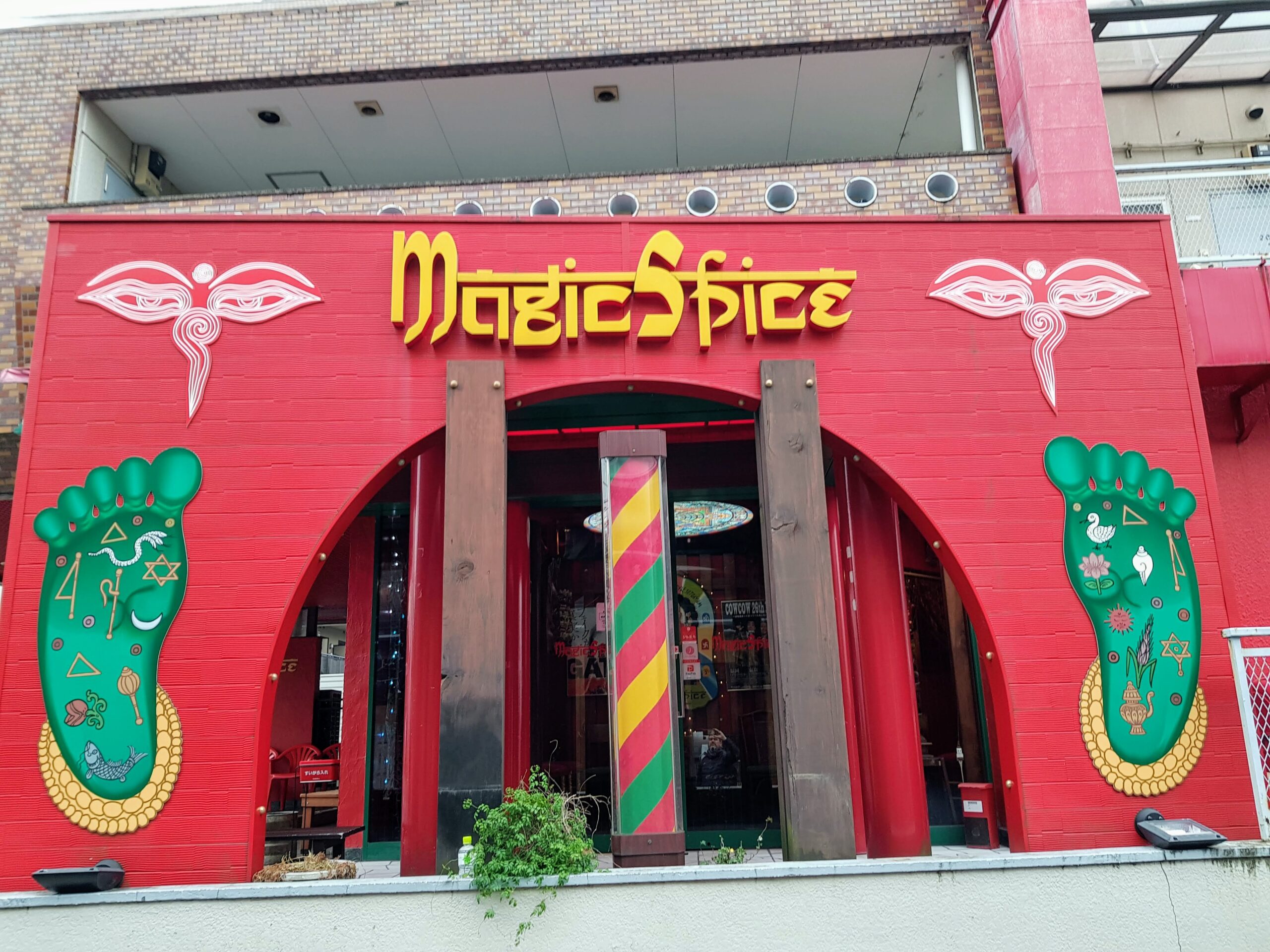
Magic Spice is the obvious first stop. The Shimokitazawa branch belongs to the Sapporo restaurant widely credited with coining the term soup curry in the 1990s, and its bright, maze-like rooms are half the experience. You build your bowl: pick a protein, then a heat level from a ladder of named tiers that climbs from gentle (awakening) through nirvana and on into paradise, where the hottest levels cost extra and mean it. The lower tiers are friendly. Nirvana is where most regulars stop.
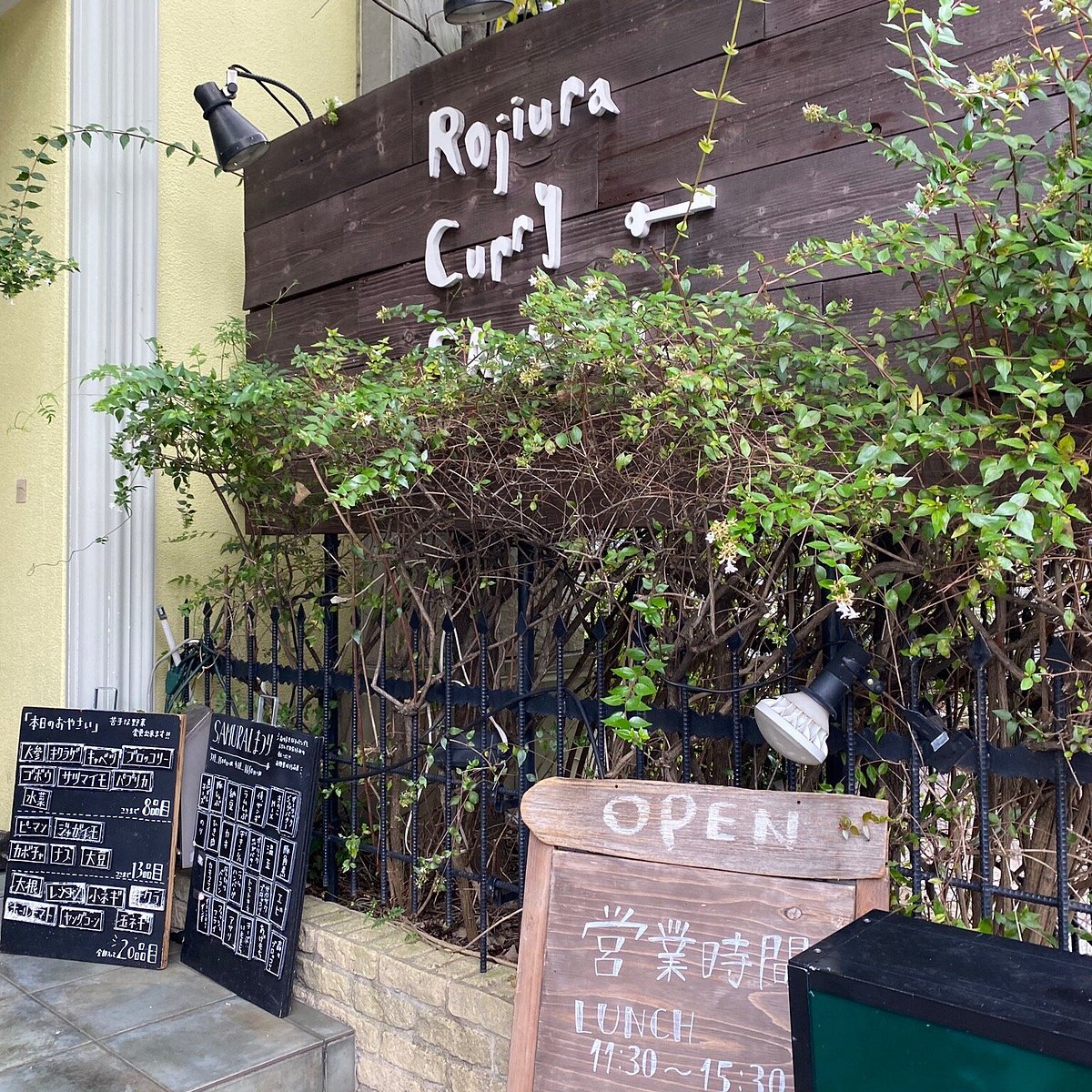
Rojiura Curry SAMURAI is the vegetable-forward counter, a Hokkaido chain that piles a small mountain of seasonal vegetables into every bowl. You choose a soup base (regular, tomato, or coconut), a heat number, and white or brown rice, and the crispy chicken leg is the order to beat. It is the easiest place to bring someone who swears they do not like curry.
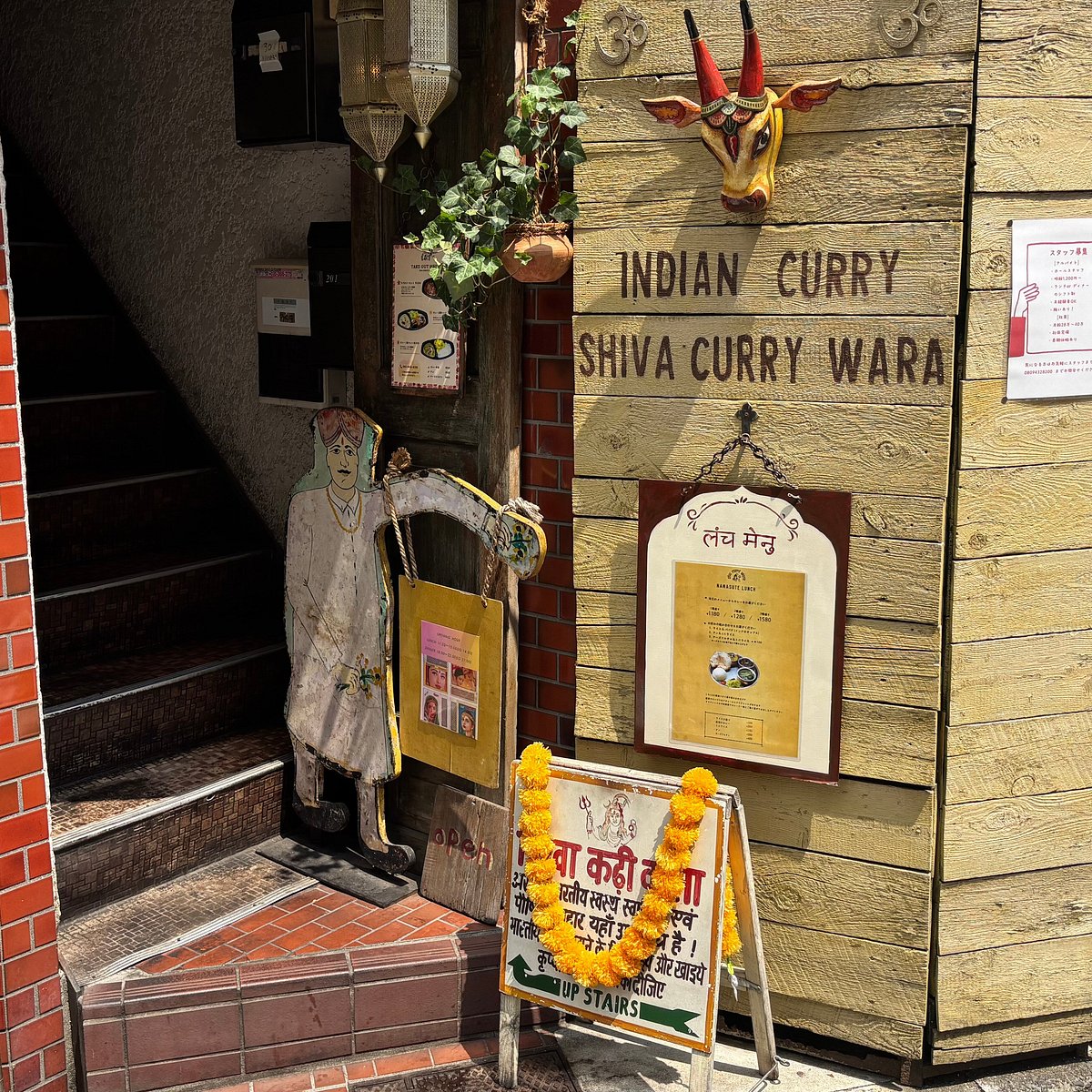
Shiva Curry Wara shows the other side of the scene. It trades broth for the drier Tokyo spice curry, usually plated aigake so you taste two curries against each other on one plate. Expect a short line at lunch and a board that changes often.
| Shop | Style | How you customize | Known for |
|---|---|---|---|
| Magic Spice | Soup curry | Protein, named heat tiers | Sapporo original, psychedelic rooms |
| Rojiura Curry SAMURAI | Soup curry | Soup base, heat, rice type | Loaded with vegetables, crispy chicken |
| Shiva Curry Wara | Spice curry | Aigake pairings | Drier Tokyo spice style |
How do you order soup curry?
Soup curry is built to order, and most shops walk you through the same four choices. Get them right and the bowl is yours, not the kitchen’s default.
- Soup base: often a choice of regular, tomato, or coconut. This sets the whole character of the bowl.
- Heat level: a numbered or named scale. The first few steps are mild, and the top tiers usually cost extra.
- Rice size: small, regular, or large, sometimes with a brown rice option.
- Toppings: extra vegetables, cheese, a soft egg, or a second protein, added by the piece.
Eat it the local way: spoon the broth, take rice a bite at a time, and do not pour one into the other. That is the part visitors get wrong.
What a bowl of curry costs
A standard bowl of soup curry runs about 1,200 to 1,800 yen, before toppings and a bigger rice. Curry stays an affordable meal here even at the well-known shops. Soup curry sits in that 1,200 to 1,800 yen band, while spice curry and plain curry rice tend to run 900 to 1,400 yen. Toppings and extra rice add a few hundred yen each, and some shops post cheaper weekday lunch sets. Smaller counters still prefer cash, so carry some, and go early or late to skip the lunch line.
The Shimokitazawa Curry Festival, every October
The Shimokitazawa Curry Festival takes over the neighborhood every October, with more than a hundred shops taking part. It has run since 2012 and is one of the largest curry events in Japan. You buy a festival ticket book, then hop between participating shops eating smaller portions, stamp-rally style. Cafes and bars that never normally serve curry join in with one-off specials, so it is the best week of the year to try places you would otherwise walk past. For dates and how the tickets work, see our guide to the Shimokitazawa Curry Festival.
Plan a half-day curry crawl
You can taste the range in one afternoon without wrecking your appetite. Pace yourself, share bowls, and leave a gap between stops.
- Start with soup curry at lunch, when the landmark shops are freshest and the lines are shortest.
- Walk it off through the lanes, pairing it with vintage shopping or a slow coffee.
- Finish with a drier spice curry or a sweet at a neighborhood cafe in the late afternoon.
Getting to the curry shops
Most curry shops sit within a few minutes of Shimokitazawa Station, around the south and east exits. The neighborhood is about 4 minutes from Shibuya and 7 from Shinjuku by train, and the shops are split across both sides of the tracks, which makes it an easy place to wander between bowls. For routes and fares, see our guide on how to get to Shimokitazawa.
This guide is one part of our complete guide to Shimokitazawa. Build it into a full one-day itinerary, or come hungry during the curry festival in October.