
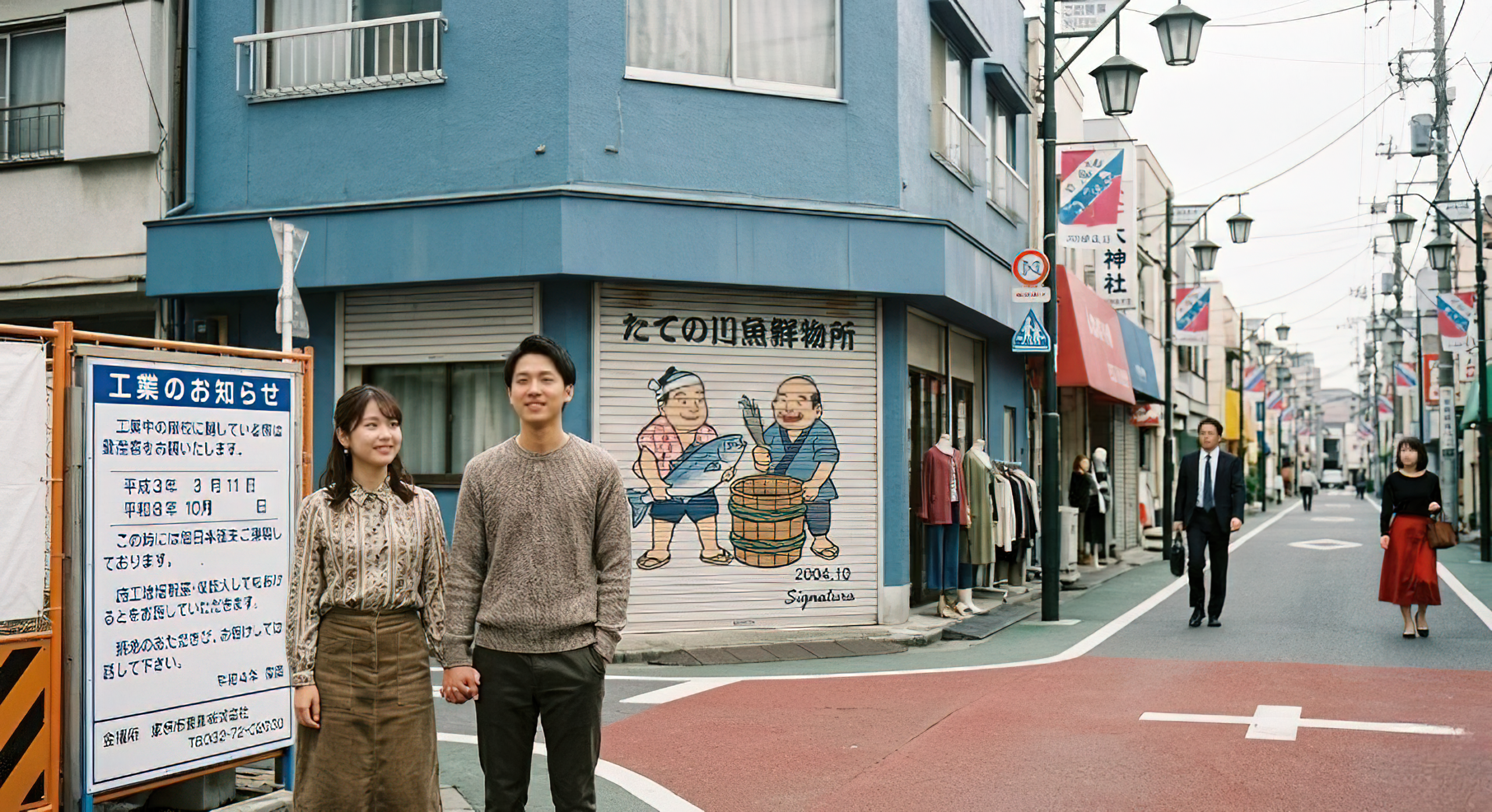
Shimokitazawa is one of Tokyo’s best neighborhoods for coffee, with cult specialty bars and old-school cafes packed between its vintage shops. The same indie streak that fills the live houses runs through the coffee, so the cafes are small, personal, and worth slowing down for. This guide covers the best Shimokitazawa cafes, what to order, where to sit, and when to go.
Why is Shimokitazawa a great coffee neighborhood?
Shimokitazawa has an unusually high concentration of independent cafes, from cult specialty bars to Showa-era kissaten. No chain dominates the way it would near a bigger station, so the coffee here is personal and varied. The neighborhood pairs decades of old coffee-house culture with a newer wave of serious roasters, and both survive side by side. Cafes are the daytime face of a place better known for its nights, the spot you start a morning or kill the gap between shops. People linger, nobody rushes you, and everything sits within a few walkable minutes.
The cafes worth knowing
Start with a handful that cover the range, from a famous espresso counter to a retro siphon room. Between them they show every side of the local coffee scene.
Bear Pond Espresso is the one people travel for. The tiny north-side counter built its name on a thick, concentrated house espresso, pulled with an almost obsessive care that turned it into a pilgrimage stop for coffee nerds. Expect a short menu, standing room, and a few house rules: espresso is often served only during set hours to keep it consistent, and photography is discouraged at the bar. It is small, serious, and not the place for a rushed cup. Our separate Bear Pond Espresso guide covers the signature drinks and how to visit.
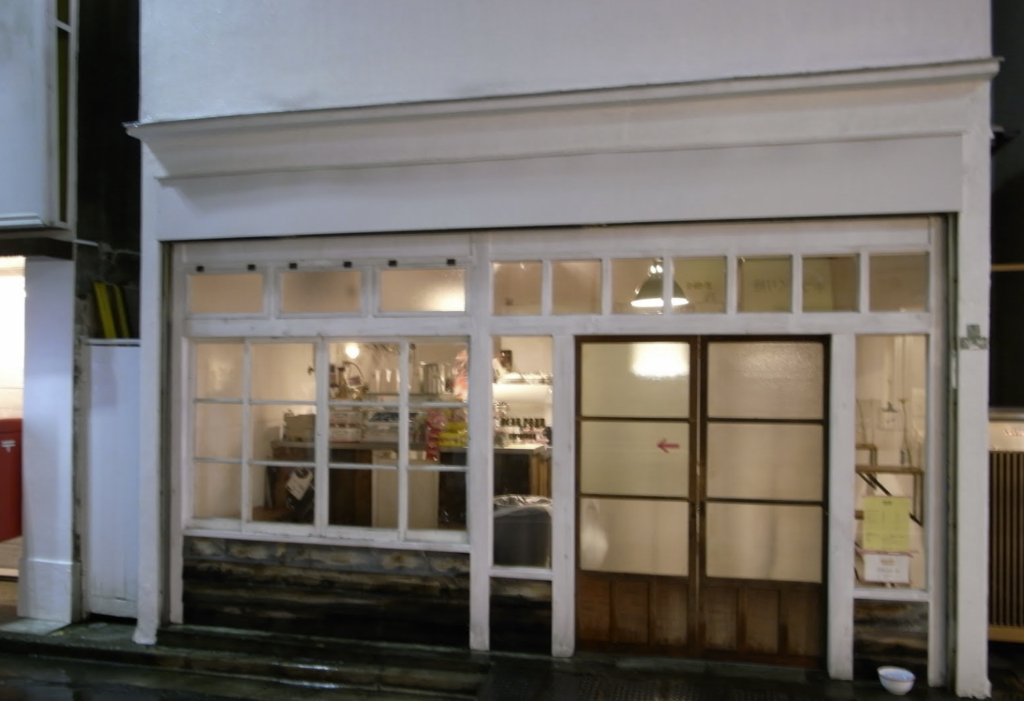
Moldive is the gentle counterpoint, a relaxed cafe better known for milky drinks and latte art than for a punishing shot. It is the place to bring someone who finds specialty coffee intimidating: a softer cup, room to sit, and the kind of careful pour that photographs well. Come here when you want the coffee to be pleasant rather than a statement, and when you would rather linger than stand at a counter.
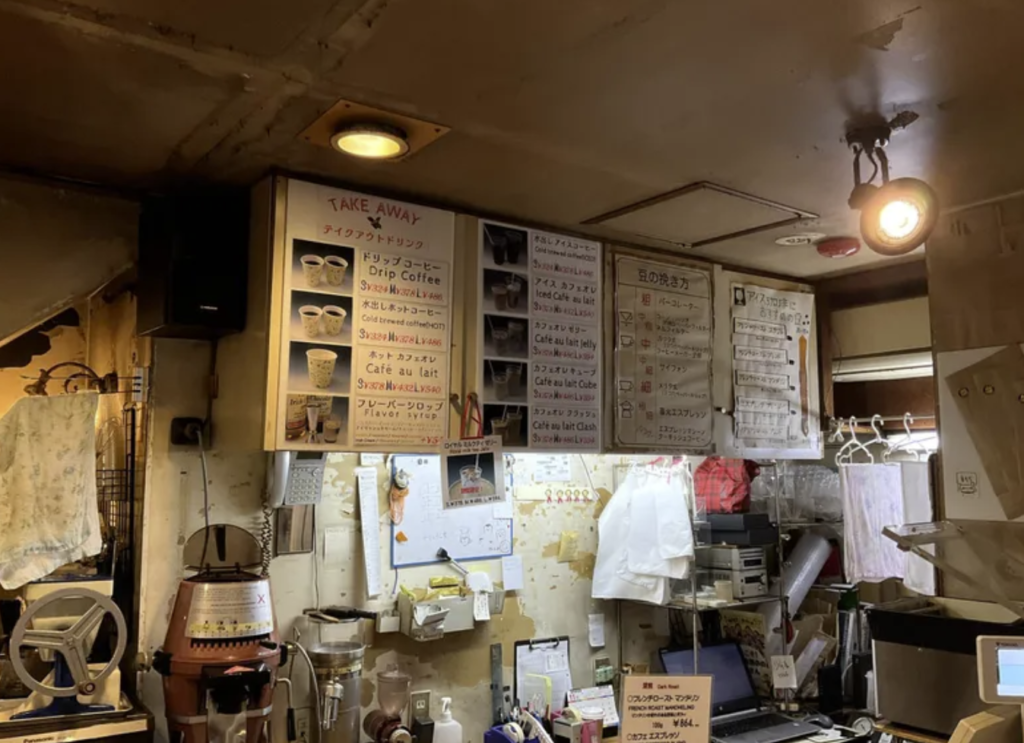
Trois Chambres is the kissaten to seek out, a dim, refined room that treats coffee as a slow ritual. The draw is siphon and hand-drip coffee served without hurry, in a setting of dark wood and quiet that feels a world away from the lanes outside. Order a careful cup and a slice of cake, take the window seat if it is free, and let an hour go. It is less a coffee stop than a place to disappear for a while, and the clearest example of the old-school style in the neighborhood.
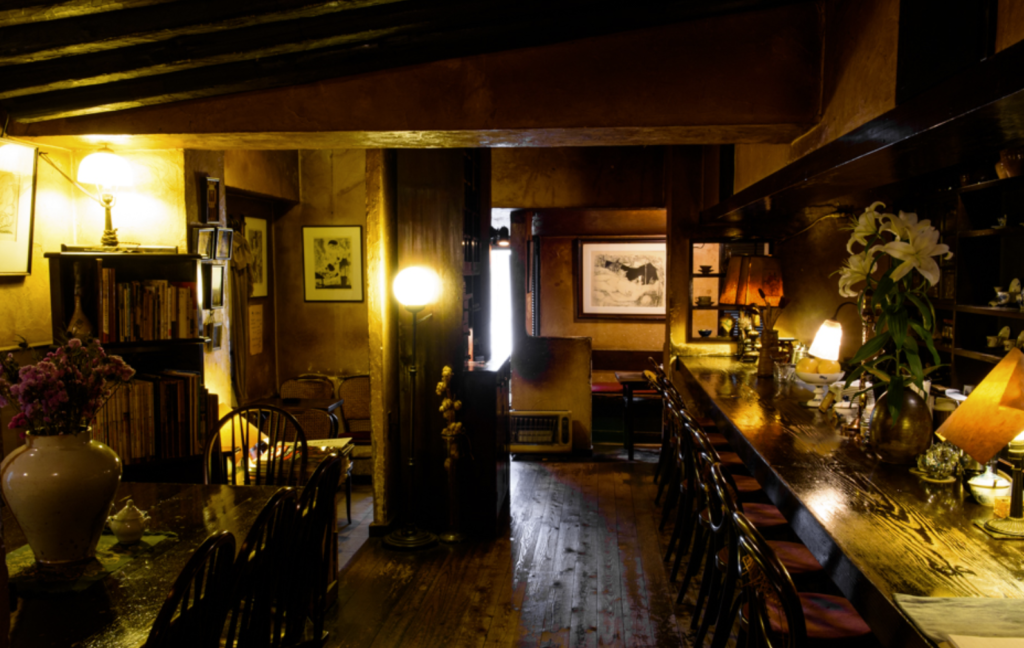
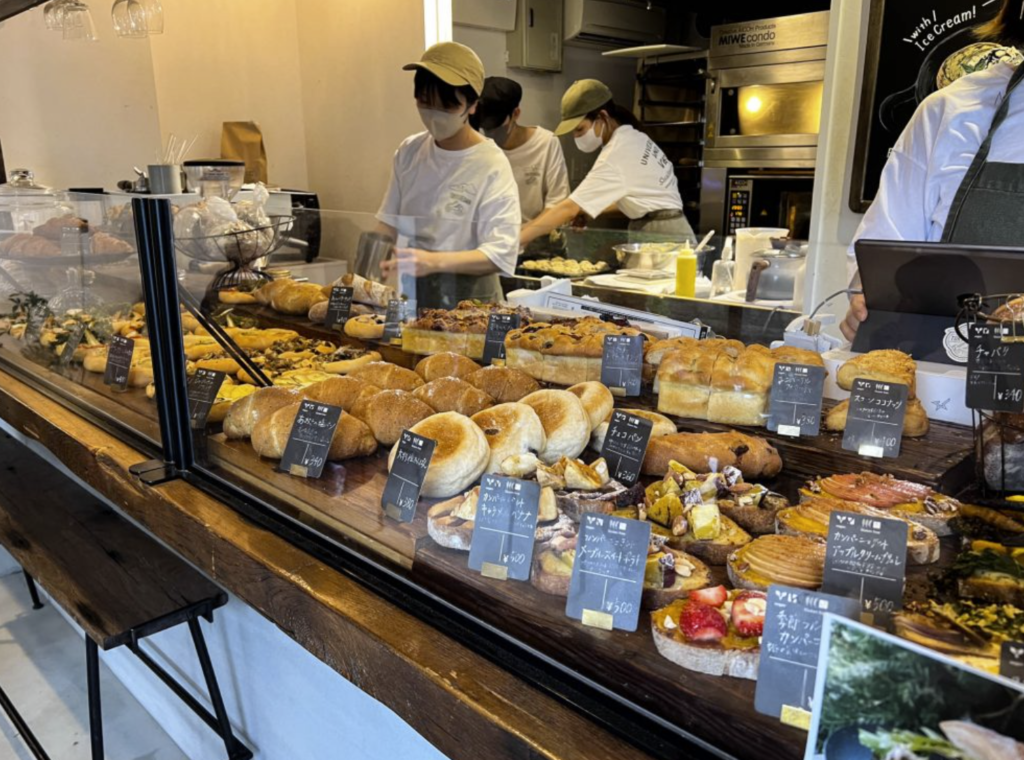
Universal Bakes is the bakery cafe, an all-vegan operation turning out fresh breads and pastries that win over people who do not care that they are plant-based. Grab a coffee and a warm bun, eat it on the hoof or at a small counter, and do not dawdle, because the best things tend to sell out by midday. It is the easy, low-commitment stop between heavier coffees, and proof that vegan baking in Tokyo has come a long way.
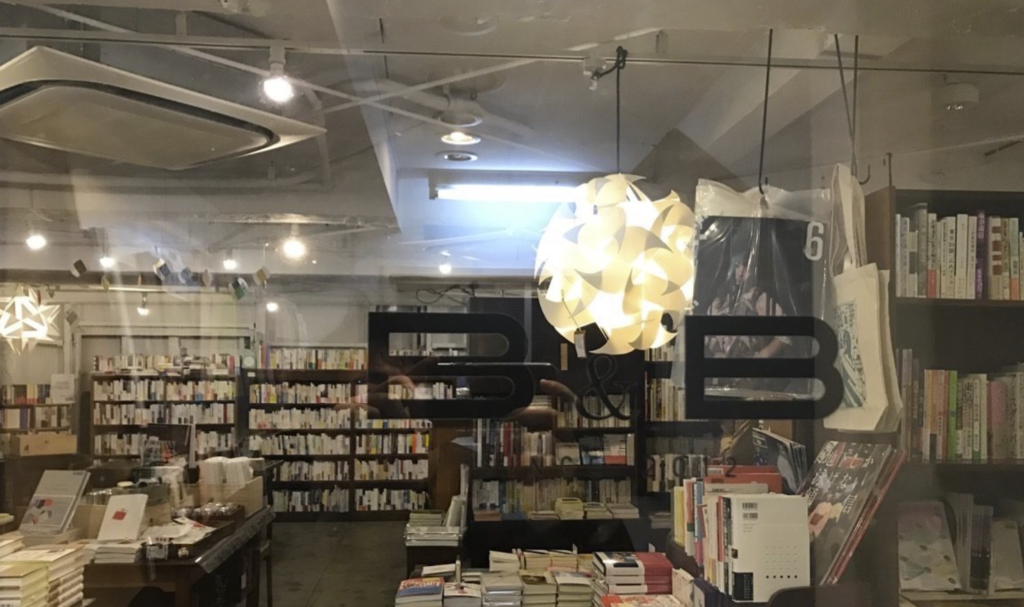
Bookshop B&B, short for Book and Beer, is the most Shimokitazawa cafe of the lot. It is a bookstore where you browse with a coffee or a craft beer in hand, where even the shelves and furniture are often for sale, and where the shop runs near-nightly talks and events. Now part of the Bonus Track development, it is less about a perfect cup and more about spending an evening among books and the people who love them. Go for the atmosphere and the program, not the espresso.
| Cafe | Type | Order this | Known for |
|---|---|---|---|
| Bear Pond Espresso | Specialty | House espresso | Cult counter, dense shots |
| Moldive | Specialty latte | A latte | Latte art, calm room |
| Trois Chambres | Kissaten | Siphon coffee | Refined retro interior |
| Universal Bakes | Bakery cafe | Coffee and a bun | All-vegan baking |
| Bookshop B&B | Book cafe | Coffee or a beer | Bookshop with events |
What is a kissaten, and why try one?
A kissaten is a traditional Japanese coffee house, slower and more retro than a modern cafe. These rooms predate the third wave by decades, with hand-drip or siphon coffee, worn booths, and a pace that has not changed since the Showa era. The thing to know is the morning service, a cheap set of coffee with toast and often a boiled egg, served until late morning. Order thick-cut buttered toast, a cream soda, or a pudding a la mode, and settle in. Many are cash only, and a few still allow smoking. A place like Trois Chambres is a mood as much as a coffee, and it is the clearest window into how Tokyo drank coffee before the espresso machines arrived.
Specialty coffee and how to order it
The specialty bars run on single-origin beans and careful pour-overs, and they reward ordering simply. These are the counters for people who want to taste the coffee, not bury it in syrup. Bear Pond built its name on a thick, concentrated espresso, while a shop like Moldive leans into a clean, milky cup. Expect small rooms, short menus, and bags of beans for sale if a cup wins you over. A few of the most serious counters limit their espresso hours or ask you not to take photos, so read the room and check before you shoot.
Where do you go to sit and linger?
The all-day cafes are built for staying: nurse one drink, read, or work for an hour. Lingering is part of the culture here, but there is a quiet etiquette that keeps the small rooms pleasant:
- Order something to hold your seat; one drink usually buys you a good while.
- Watch for posted time limits or busy-hour rules at the smaller cafes.
- Carry cash, since some kissaten and tiny counters do not take cards.
- At serious specialty bars, keep it quiet and ask before photographing.
How much does coffee cost?
A coffee runs about 400 to 700 yen, more at the specialty bars, and you usually order at the counter or settle your table on the way out. It is an affordable habit, and the price often buys you a seat for as long as you want it. Rough bands to expect:
- Drip or kissaten coffee: about 400 to 600 yen.
- Specialty pour-over or espresso: about 500 to 800 yen.
- Morning service: a cheap coffee-plus-toast set, usually before about 11am.
- Beans to take home: bags from the roasters if a cup wins you over.
The best coffee crawl
You can taste the whole range in a morning: one specialty cup, one kissaten, one place to linger. Keep it slow and let the coffee set the day’s pace before the shops open.
- Start early with a serious espresso at Bear Pond, before the lanes fill up.
- Slow down at a kissaten like Trois Chambres for a siphon coffee and a booth.
- Finish with a bun at Universal Bakes, then head into an afternoon of vintage shopping or the rest of a full day here.
When to go for coffee
Mornings are best, when the kissaten run their cheap toast sets and the specialty bars are calm. Weekdays are quieter than weekends, and the small rooms are easiest to get into before midday. Some specialty counters keep short or unusual hours, so check ahead if there is one cup you came for. Later in the day the cafes turn into a pause between shopping and shows, which is its own kind of good.
Getting there
Cafes are scattered on both sides of Shimokitazawa Station, all within a few minutes’ walk. The neighborhood is about 4 minutes from Shibuya and 7 from Shinjuku, and you will not need anything but your feet once you arrive. For routes, fares, and which exit to use, see our guide on how to get to Shimokitazawa.
This guide is one part of our complete guide to Shimokitazawa. Pair a morning of coffee with the neighborhood’s curry and food, or build it into a full day using the itinerary linked above.